
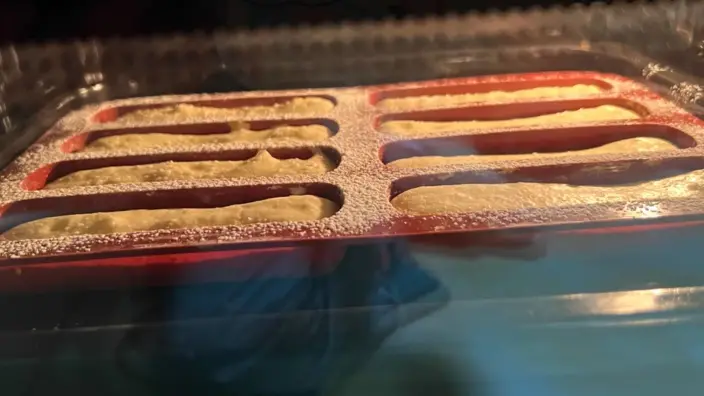
Silicone cookware can be suitable for food contact when its formulation and finished article comply with the requirements for the intended food and use conditions. “Food-grade” wording alone does not demonstrate that compliance, establish a cooking temperature, or guarantee that nothing transfers into food.
For a buyer, the practical questions are: which product was assessed, what foods and temperatures were covered, and do those conditions match the planned use? This article explains those checks; it does not certify an individual cookware item.
What makes silicone suitable for food contact?
The FDA’s guidance on the regulatory status of food-contact components explains that the components must have an appropriate regulatory basis for their intended use, with the applicable specifications and limitations. Possible bases include food-additive regulations and effective food-contact notifications; a notification may be specific to a named manufacturer and conditions of use.
For repeated-use rubber articles, 21 CFR 177.2600 lists permitted substances and conditions, including limits on extractives from finished articles under specified tests. It includes silicone basic polymers and certain fillers. Merely calling a product silicone or “filler-free” is not evidence that the finished article meets those requirements.
This is a U.S. regulatory example, not a declaration of compliance in every destination market. A supplier must identify the requirements that apply to the product being sold.
A food-grade label proves silicone cookware releases no substances into food.False
The label alone does not establish compliance. Applicable requirements assess specified substances, uses and test conditions; an extractives limit is not a zero-transfer guarantee.
Which evidence should match the cooking task?
FDA distinguishes food types and conditions of use, including fatty foods, refrigerated storage and cooking. Evidence for cold storage cannot be assumed to cover oven baking.
| Planned use | What to confirm before selecting the item |
|---|---|
| Oven baking | The exact article’s oven instructions, maximum temperature, exposure duration and food-contact evidence for that use |
| Microwave reheating | Explicit suitability of the complete item, including lids, handles and any other materials, plus the permitted foods and heating conditions |
| Freezer storage | The product’s specified storage conditions and handling instructions |
| Repeated contact with fatty or acidic foods | Whether the documented food types and repeated-use conditions cover the intended recipe and contact time |
| Dishwasher cleaning | Instructions for the complete article and any restrictions on detergents or cleaning cycles |
A report should identify the tested sample, formulation or model, color where relevant, test method, conditions and results. A report for a stretch lid does not qualify a baking mold; an incomplete report image without a sample identity cannot establish either product’s compliance. No matching cookware test report is provided in this article.

How should silicone cookware be handled when hot?
Treat cookware taken from an oven, and the food inside it, as hot. Do not assume silicone is safe to touch because it cools differently from metal. A heat-resistance rating describes permitted use conditions; it does not establish a safe hand-contact temperature.
Health Canada’s cookware guidance advises following the manufacturer’s intended use and instructions, and warns that hot food can slide out quickly from flexible silicone bakeware. Use suitable heat protection and support the item as instructed when moving it. Follow restrictions on temperature and heat sources; do not infer direct-flame, broiler or stovetop suitability from an oven-use claim.
There is no universal temperature range supplied here. The product’s own limitations and the relevant consumer guidance must be checked before use; a general material description cannot qualify an untested item.
Silicone bakeware is cool to the touch as soon as it leaves the oven.False
Silicone cookware and its contents must be treated as hot. Material heat resistance does not prove a safe touch temperature.
What can appearance and routine care tell you?
A pinch or twist test, lack of odor, and the absence of visible damage do not measure chemical composition or transfer into food. They cannot replace a matched report. Do not heat an unknown item to test its safety by smell.
Follow the manufacturer’s cleaning instructions and inspect for damage. If an item deforms, tears, becomes sticky or develops an unexpected persistent odor, stop using it and ask the supplier to investigate. These observations are reasons to review the item, not a diagnosis of a particular contaminant.

Conclusion
Select silicone cookware by the documented food-contact use and the complete product’s instructions. Do not substitute “food-grade,” a generic FDA reference or an appearance test for that evidence. Handle hot bakeware carefully and keep chemical compliance, temperature limits and burn prevention as separate questions.
Revision scope: replaced blanket food-safety and zero-release assurances with intended-use evidence checks; removed universal temperature, twist-test, environmental and cool-to-touch claims.